Compulsory COVID-19 vaccines and employment law
Healthcare
This week Benjamin Bull had an article published in Chemist+Druggist. In the article, Benjamin...
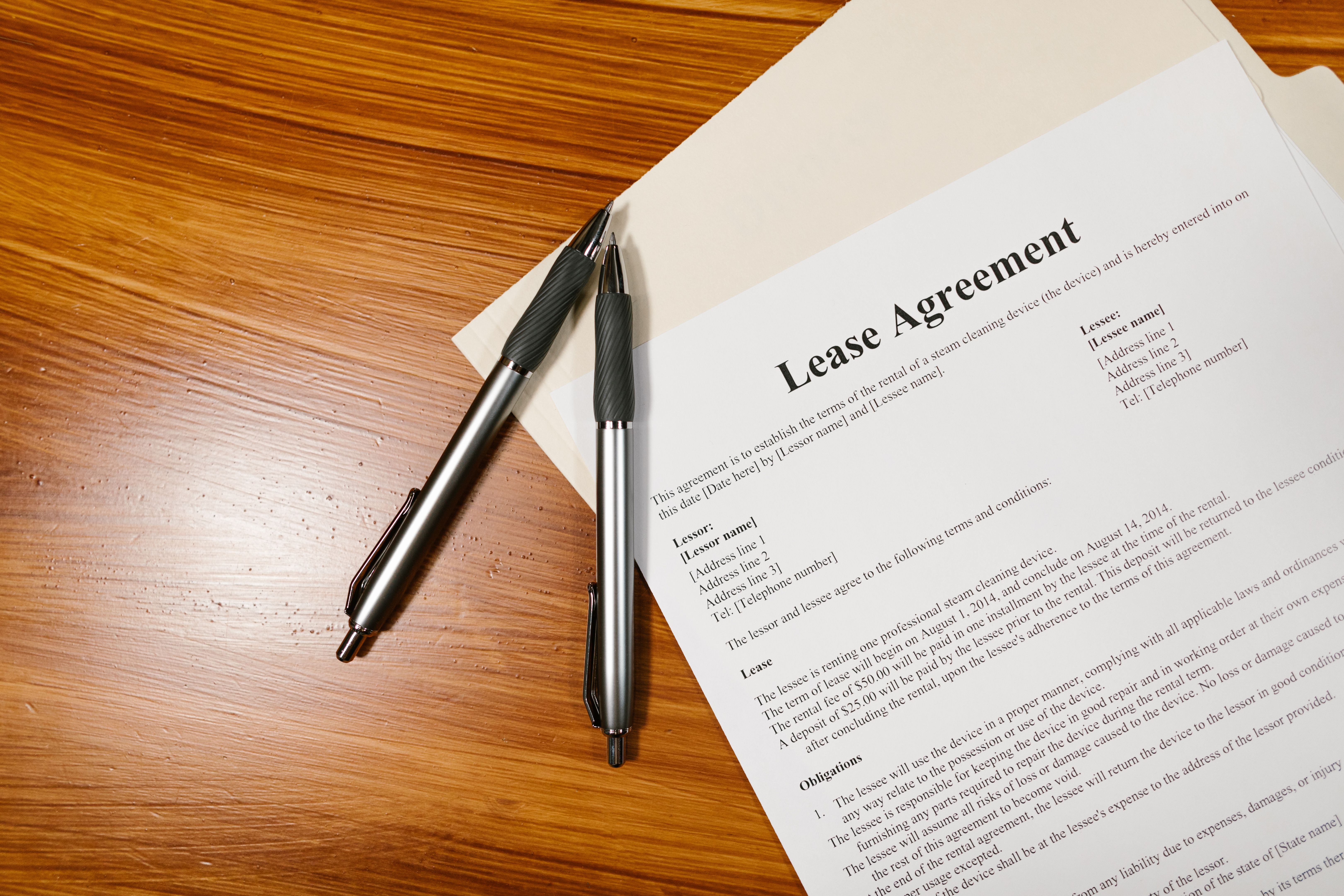
Rent is only the beginning. Before you commit to a commercial lease, here’s what the small print could mean for your business, and your finances.
For many business owners, signing a commercial lease is one of the most significant financial commitments they will ever make. Yet many tenants focus almost entirely on rent and location, overlooking legal obligations buried within the lease that can continue to affect the business for years, sometimes long after they have vacated the premises.
94.9% of UK organisations operate from leased premises rather than owning their commercial property outright | Commercial Property Market Statistics 2025
A commercial lease is not simply a rental agreement, it is a legally binding contract that may impose obligations relating to repair, alterations, permitted use, rent increases and exit conditions. Understanding the full picture before signing can protect your business from costly surprises down the line.
At Gordons Partnership, our Commercial Property team regularly advises businesses, landlords and tenants on all aspects of commercial leasing. This guide sets out the key issues every business owner should consider before committing to commercial premises.
The lease term is often the first point businesses focus on, and it deserves very careful consideration. The average commercial lease in the UK has shortened considerably over the past two decades, with many now running for three to ten years, though longer terms remain common in retail and industrial sectors.
According to United Kingdom State of CRE Leasing Report 2024, the average office lease lengths increase by 27% as tenants commit to longer terms, 69% growth in 3-5 year office leases signals a preference for stability, and retail lease lengths rebound, up 32% from 2023.
A longer lease can offer stability and may support more favourable rental terms or landlord contributions to fit-out costs. However, it also reduces flexibility if your business circumstances change. Before committing, consider:
What appears to be ideal premises today may not meet your needs in three or five years’ time. A solicitor experienced in commercial property can help you negotiate a lease term that balances stability with the flexibility your business requires.
Rent is only one part of the overall financial commitment. Many commercial tenants are surprised, sometimes significantly, by the additional costs that can accompany occupation of commercial premises.
Before signing, you should obtain a clear breakdown of all occupation costs, which may include:
Service charges in particular can be unpredictable. Where possible, ask for historical service charge accounts for the property before committing, and consider seeking a cap on variable charges during lease negotiations.
Useful resource: GOV.UK – Business Rates: how business rates are calculated and what reliefs may be available.
Repair obligations are one of the most commonly misunderstood, and most financially significant, aspects of a commercial lease. The extent of a tenant’s repairing liability depends entirely on the wording of the lease, and this wording varies considerably.
Depending on how the lease is drafted, a tenant may be responsible for:
A schedule of condition, a photographic and written record of the property’s state at the start of the lease, can significantly limit your liability at the end of the term. Always commission an independent survey before signing, particularly for older properties or those that may have existing defects.
Many commercial leases, particularly those with terms of five years or more, include rent review provisions. These clauses determine how and when rent may be adjusted during the lease term and can have a significant impact on your business’s long-term cost base.
Common rent review mechanisms include:
It is also worth noting whether rent reviews are upward-only, meaning rent can increase but not decrease even if market conditions deteriorate. This remains a common feature of UK commercial leases and is something to negotiate carefully before signing.
A break clause gives either the landlord, the tenant, or both parties the right to end the lease early, usually on a specified date and subject to providing notice within a defined period. For businesses operating in uncertain markets or planning future expansion, a break clause can provide invaluable flexibility.
A common and costly mistake: We regularly see situations where tenants lose their right to exercise a break clause because they missed a notice deadline by a matter of days, or failed to comply with a technical condition, such as having no outstanding rent arrears on the break date. Once the opportunity to break has passed, the tenant may be committed to the full remaining lease term.
Break clauses require careful attention to:
Always diarise break notice deadlines as soon as the lease is signed, and seek legal advice well in advance of any break date to ensure all conditions can be met.
Every commercial lease specifies how the premises may be used. These permitted use clauses may appear straightforward at first reading but can create significant difficulties as your business evolves.
For example, a lease may permit “retail use” but restrict certain ancillary services, food preparation, or online fulfilment activities. A lease for office use may not permit customer-facing activities. A hospitality business may find restrictions on hours of operation embedded within the user clause.
Before committing, consider whether the permitted use clause aligns not only with your current operations but also with the direction you expect the business to take. A broader use class may offer more flexibility and is worth negotiating at the outset, it is considerably harder to widen after the lease is signed.
It is also important to check that the proposed use is permitted under the relevant planning use class for the property. Your solicitor can advise on whether planning permission may be required for your intended use.
Business needs can change unexpectedly. You may need to relocate, downsize, merge with another business, or dispose of part of your operation. In these circumstances, the ability to assign the lease to a third party or sublet the premises can be extremely valuable, and in some cases essential to avoid continued financial liability for a property you no longer occupy.
Commercial leases typically address assignment and subletting in one of three ways:
Be aware that even where assignment is permitted, the original tenant may retain a contingent liability under the Landlord and Tenant (Covenants) Act 1995 if the assignee subsequently defaults. Understanding this risk before signing is important.
Many commercial tenants assume they will automatically be entitled to remain in their premises when the lease expires. This is not always the case, and the distinction can have serious implications for businesses that have invested significantly in a location.
Certain commercial leases in England and Wales are protected under the Landlord and Tenant Act 1954, giving qualifying tenants a statutory right to renew their lease at the end of the term. However, leases can be, and frequently are, “contracted out” of this protection entirely, meaning the tenant has no right to remain or to renew when the term ends.
Important: Where a lease is contracted out of the 1954 Act, the landlord can refuse to renew and require the tenant to vacate at expiry – regardless of how long they have occupied the premises or how much they have invested in the fit-out.
Before signing any commercial lease, establish clearly:
Many businesses invest substantial sums fitting out commercial premises to suit their specific operations. However, most commercial leases contain restrictions on alterations, and carrying out unauthorised works can have serious consequences both during the lease and at its end.
Landlord consent is typically required before carrying out:
If a significant fit-out is planned, seek your solicitor’s advice before works begin. It may also be worth negotiating fit-out rights, and any landlord contributions to fit-out costs, as part of the original lease terms.
One of the most important questions any business owner should ask before signing a commercial lease is: “How will I leave this lease if circumstances change?”
It may feel premature to think about exit arrangements before you have even moved in, but planning ahead is one of the most effective ways to protect your business from significant financial exposure if things do not go to plan.
Exit Strategy Checklist – Before You Sign
A clear understanding of your exit options, agreed and documented before you sign, can provide valuable protection if business circumstances change unexpectedly. This is not pessimism; it is commercial prudence.
Commercial leases are often lengthy, technical documents containing obligations that may not become apparent until years after signing. The consequences of misunderstanding key provisions can be severe, particularly for smaller businesses where lease liabilities represent a significant proportion of overall costs.
Common issues that arise when tenants sign without appropriate legal advice include:
Many of these problems can be identified, and addressed through negotiation, before the lease is signed. The cost of proper legal advice at the outset is almost always significantly less than the cost of resolving problems that emerge later.
Before committing to any commercial lease, take time to understand both the immediate and the long-term implications of the agreement. Commercial property is often the single largest fixed cost a business will face, and making fully informed decisions at the outset can protect you from costly problems for the duration of the lease and beyond.
A thorough legal review of the lease terms before signing can identify potential risks, clarify obligations and, crucially, create the opportunity to negotiate improvements before you are bound by the document.
→ Commercial Property Services